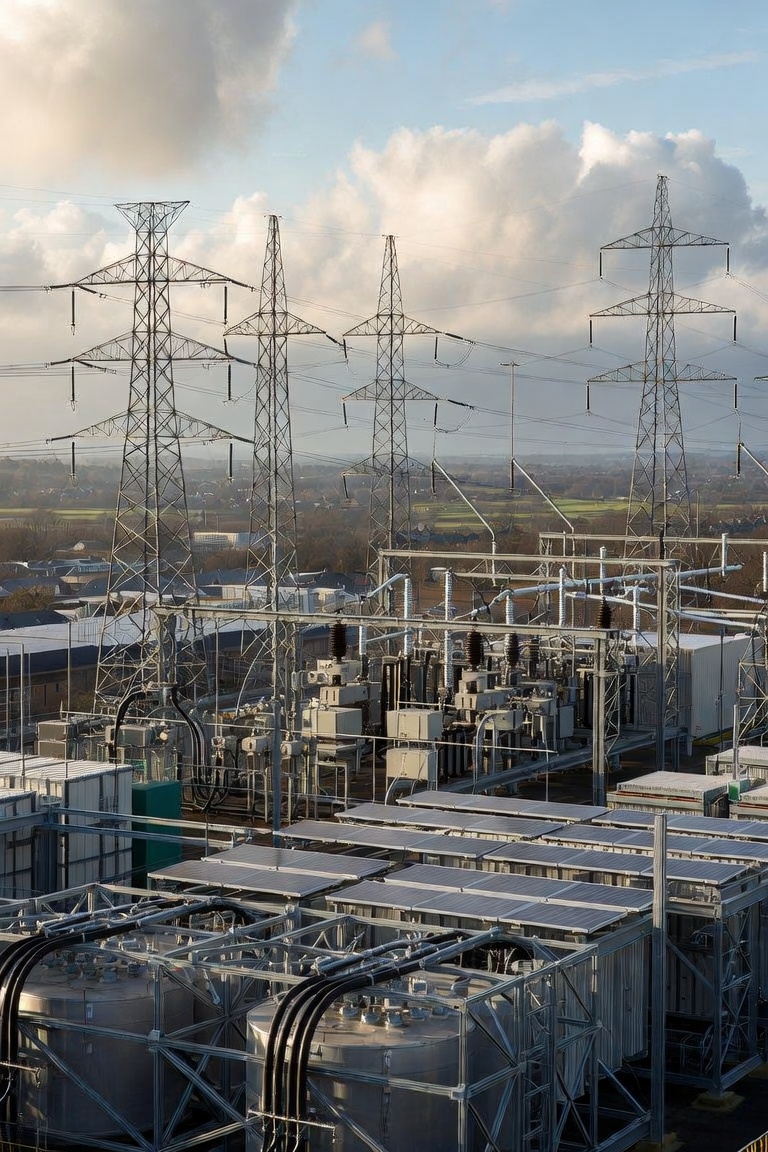
Onsite Energy for Aggregates & Heavy Industry
Crushing, screening, drying and heavy plant draw enormous, often spiky power — frequently from constrained rural grid connections. We engineer generation, storage and capacity upgrades that keep heavy operations running affordably.
Spiky demand against a constrained grid
Crushers and heavy motors cycling on and off create sharp peaks that inflate demand charges and stress a weak rural connection. Storage absorbs those spikes so the connection works harder.
Heavy industrial and aggregates operations are defined by scale: large motors, crushers, kilns and drying plant that draw substantial power, often in sharp bursts as equipment cycles. That demand profile drives high capacity charges and exposes the site to expensive peak pricing.
Many of these sites sit on rural or semi-rural grid connections that were never designed for today's loads — let alone planned expansion or electrification. A weak or fully-subscribed connection can become the single biggest constraint on the business.
Our approach is to relieve that pressure from two directions at once: reduce and reshape demand with onsite generation and storage, and where necessary increase the capacity available through private substations and managed DNO/IDNO connections. Everything begins with the site's own data.
24-hour load profile
Tame the spikes a weak grid can't carry
When the grid connection is the bottleneck
Energy-intensive processing concentrates several of the most expensive grid pressures into one site.
High grid import & capacity charges
Sustained heavy load means large reserved capacity and high time-of-use charges across the year.
Spiky demand peaks
Motors and crushers cycling on and off create sharp peaks that inflate demand charges and stress the connection.
Constrained rural connections
Many sites are on weak or fully-subscribed connections, blocking expansion and electrification plans.
Process continuity
Unplanned outages and voltage issues can halt production lines and damage sensitive plant.
What shapes the energy brief
- Cost driver
- Capacity charges
- Load character
- Heavy & spiky
- Common blocker
- Weak connection
- Best-fit assets
- BESS + substation
high import & reserved demand
motors, crushers, drying plant
rural / fully-subscribed grid
demand + capacity together
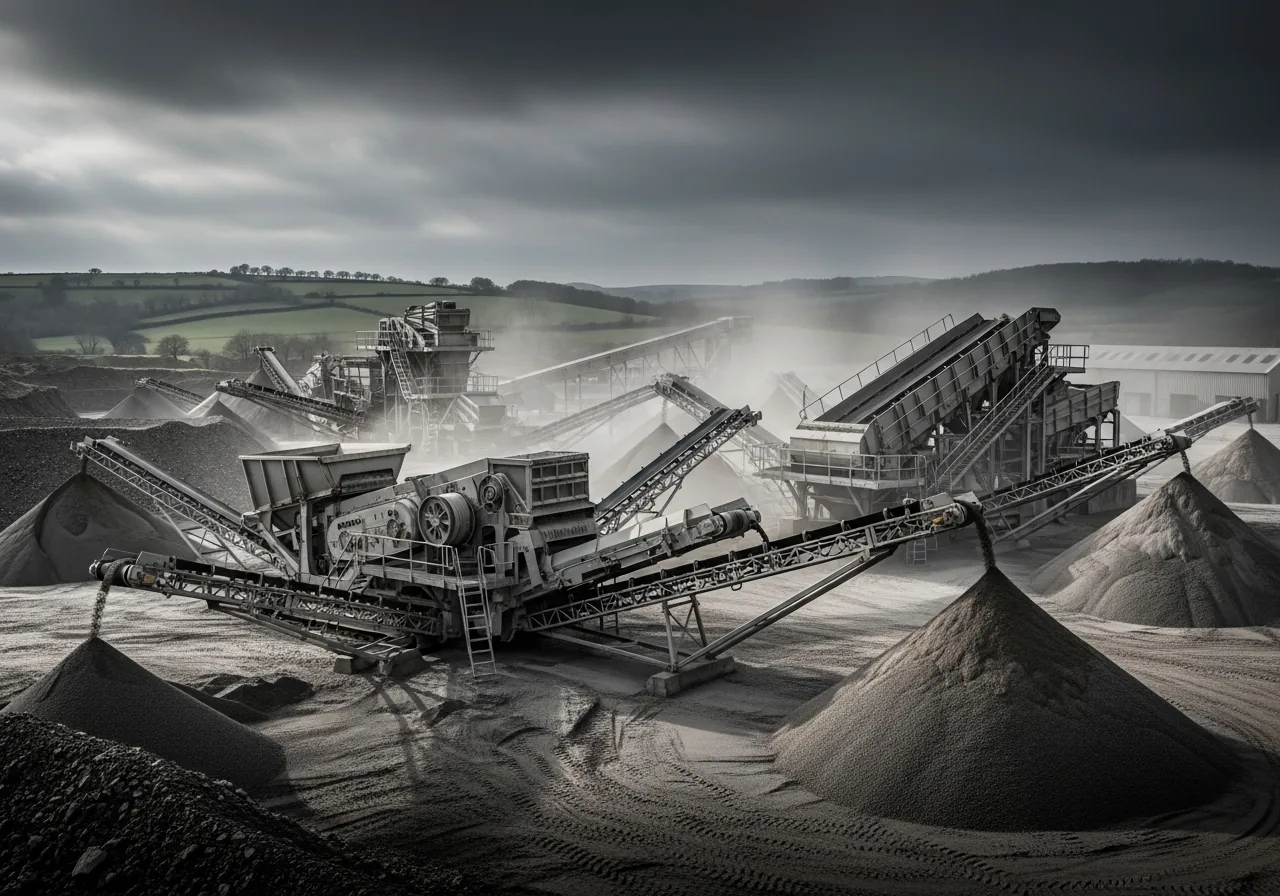
Heavy plant, a long way from a strong grid
- Crushers and motors cycling hard, creating sharp demand peaks
- Rural connections that were never sized for today's plant
- Storage and capacity works that can be staged around production
Recommended technology stack
We combine demand-side measures with capacity upgrades so the connection works harder and costs less.
Battery Storage
Absorb demand spikes, cap peak charges and stabilise a constrained connection under heavy cycling loads.
Explore serviceCHP / CCHP
Onsite generation for sites with suitable thermal demand, reducing grid import and improving resilience.
Explore serviceMicro-Substations & Grid Capacity
Private HV/LV substations and DNO/IDNO connections that unlock the headroom heavy plant and expansion need.
Explore serviceFeasibility & Cost Modelling
Quantify capacity needs, peak exposure and payback before committing to plant or connection works.
Explore serviceAggregates & Heavy Industry feasibility checklist
The more of the following we have to hand, the faster and sharper your feasibility study will be — and we can help fill any gaps. Every recommendation that follows is modelled on your data and subject to feasibility.
Common questions
Discuss your Aggregates & Heavy Industry site
Tell us about your site and we'll come back within one business day. Our engineers review your interval data and deliver a no-obligation feasibility study with technology recommendations, financial modelling and payback projections.
Ready to cut energy costs at your Aggregates & Heavy Industry site?
Book a free site assessment. Our engineers will evaluate your load profile and deliver a tailored feasibility study — no obligation.