Onsite Energy for Warehouses & Logistics Sites
Distribution centres, cold stores and fulfilment hubs run around the clock — and pay for it in peak-demand and capacity charges. We design hybrid energy systems that flatten those costs and free up grid headroom for fleet electrification.
Grid headroom for fleet electrification
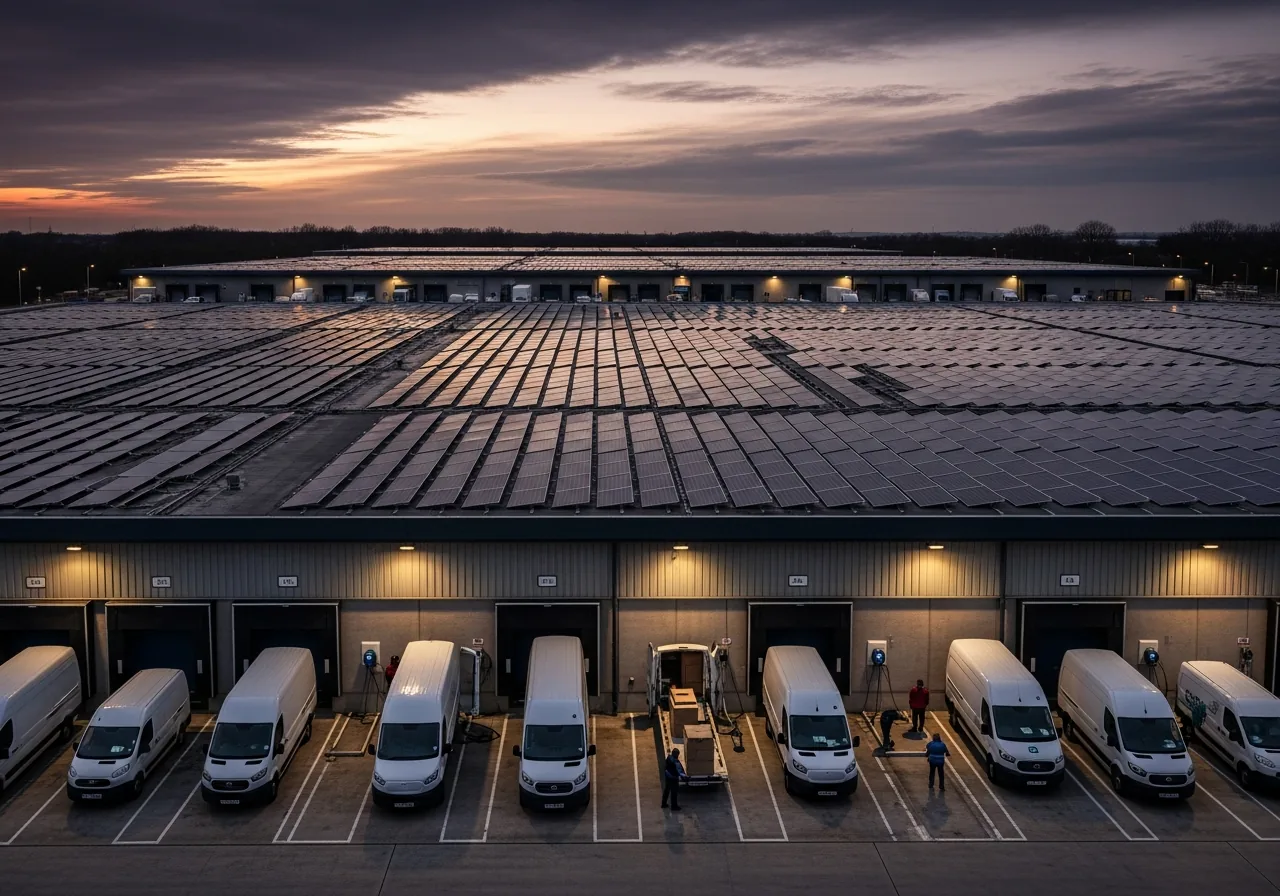
Adding HGV and van charging to an existing connection often threatens an expensive reinforcement. Managed charging, rooftop solar and storage can keep that load within the connection you already have.
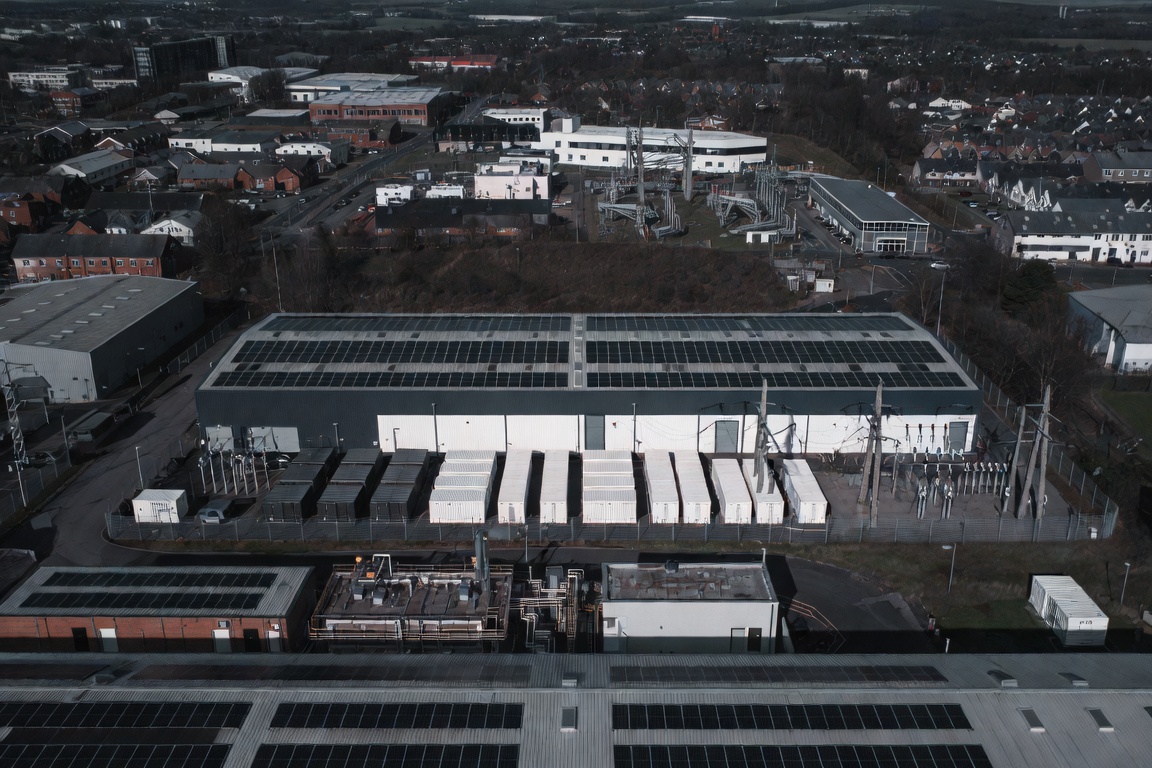
Large-footprint logistics sites have two things in abundance: roof space and round-the-clock electrical demand. Refrigeration, conveyor systems, MHE charging and lighting create a heavy, sustained load profile that is increasingly exposed to capacity charges, time-of-use network charges and Triad-style peak pricing.
At the same time, fleet electrification is pushing demand higher still. Adding HGV and van charging to an existing connection often triggers an expensive DNO reinforcement — unless the load is managed intelligently and supported by onsite generation and storage.
We approach each site from its half-hourly interval data, modelling where solar PV, battery storage and smart charging deliver the best return before recommending anything. The goal is a connection that does more work, not a bigger bill.
Grid headroom
Add the fleet without an expensive upgrade
What shapes the energy brief
- Roof utilisation
- Underused
- Primary cost driver
- Peak demand
- Best-fit assets
- Solar + BESS
- Strategic goal
- Grid headroom
typical logistics roof generates nothing today
capacity & time-of-use charges
paired with smart EV charging
for fleet electrification
Where a distribution site's energy bill really goes
The economics of a distribution or cold-storage site are dominated by a handful of recurring pressures.
Peak-demand & capacity charges
Reserved capacity and time-of-use network charges are paid whether or not the load is used. A spiky demand profile inflates both.
Cold-chain baseload
Refrigeration and chilled storage run continuously, creating a stubborn baseload that is highly sensitive to electricity price volatility.
Fleet electrification headroom
Adding HGV and van charging can exceed an existing grid connection, risking costly reinforcement and project delays.
Underused roof space
Acres of warehouse roofing typically generate nothing, while the site imports expensive grid power throughout the day.
Acres of roof, working around the clock
- Large, unshaded roofs that typically generate nothing today
- Cold-chain and handling loads running 24/7, exposed to peak pricing
- Depot charging that can often be staged to fit the existing connection
Recommended technology stack
We typically combine generation, storage and controls so each asset offsets a different part of the cost stack.
Solar PV
Large warehouse roofs are ideal for high-yield arrays that offset daytime import at well below grid-import cost.
Explore serviceBattery Storage
Shift load away from peak windows, cap demand charges and provide backup for critical cold-chain loads.
Explore serviceEV & Fleet Charging
Smart-managed depot charging that scales with your fleet without forcing a grid connection upgrade.
Explore serviceMicro-Substations & Grid Capacity
Where genuine headroom is needed, private substations and DNO/IDNO connections unlock it cleanly.
Explore serviceWarehouses & Logistics feasibility checklist
The more of the following we have to hand, the faster and sharper your feasibility study will be — and we can help fill any gaps. Every recommendation that follows is modelled on your data and subject to feasibility.
A result in this sector
24/7 Cold Storage & Distribution Facility
£380k annual savings with UPS-grade backup
A 2 MWp solar array paired with a 1 MWh battery eliminated peak tariff exposure and secured the cold chain against outages.
Battery + Solar Integration — Logistics & Distribution Case StudyCommon questions
Discuss your Warehouses & Logistics site
Tell us about your site and we'll come back within one business day. Our engineers review your interval data and deliver a no-obligation feasibility study with technology recommendations, financial modelling and payback projections.
Ready to cut energy costs at your Warehouses & Logistics site?
Book a free site assessment. Our engineers will evaluate your load profile and deliver a tailored feasibility study — no obligation.